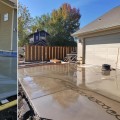
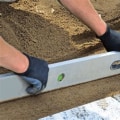
A well-designed patio adds valuable outdoor living space, enhances curb appeal, and increases the overall functionality of a home. Whether homeowners envision a simple seating area, an outdoor kitchen, a fire pit, or a spacious entertainment space, the success of the project depends on far more than selecting attractive materials. Beneath every durable patio is a carefully prepared foundation that supports the finished surface and helps it withstand years of weather exposure and everyday use. Without proper planning, patios can develop problems such as cracking, uneven settling, drainage issues, and shifting surfaces that affect both appearance and performance. Structural engineers help minimize these risks by evaluating site conditions before construction begins, allowing homeowners to build patios that remain stable and reliable over the long term.
Evaluating Ground Conditions Before Construction
Every property has unique characteristics that influence how a patio should be designed and constructed. Soil composition, moisture levels, slope, drainage patterns, and previous site activity all affect the stability of outdoor structures. If these conditions are overlooked, even high-quality installation materials may experience premature movement or deterioration. Structural engineers assess these site-specific factors to determine whether soil stabilization, grading adjustments, or additional support measures are necessary before construction starts. This early evaluation provides contractors with valuable information that helps create a stronger base for the patio while reducing the likelihood of future settlement or structural movement. Proper site preparation forms the foundation for a patio that performs consistently through changing seasons and environmental conditions.
Preventing Drainage-Related Damage
Water management is one of the most important aspects of any patio installation. Poor drainage can allow water to collect beneath or around the patio, weakening the supporting base and increasing the risk of erosion, frost heave in colder climates, or uneven settlement. Improper water flow may also direct moisture toward nearby foundations, retaining walls, or landscaping features, creating additional maintenance concerns over time. Structural engineers evaluate grading and drainage during the planning process to ensure that rainwater is directed away from both the patio and the home's structural components. By incorporating proper slopes and effective drainage solutions into the design, they help preserve the long-term performance of the patio while protecting surrounding structures from water-related damage.
Supporting Heavy Outdoor Features
Modern patios often include much more than open seating areas. Outdoor kitchens, fireplaces, pergolas, hot tubs, covered roofs, retaining walls, and decorative stone elements can all introduce additional structural demands that require careful planning. These features place concentrated loads on the supporting soil and patio foundation, making it important to verify that the site can safely accommodate them. Structural engineers calculate anticipated loads and determine whether reinforcement or specialized foundation solutions are necessary before installation. Companies such as Open Concept Engineering demonstrate how structural expertise contributes to outdoor projects by helping ensure that both decorative and functional features are properly supported without compromising long-term stability or safety.
Reducing Future Maintenance and Repairs
One of the greatest advantages of involving structural engineers early in a patio project is the opportunity to prevent common installation problems before they occur. Addressing issues such as weak soil, inadequate base preparation, poor drainage, or improper load distribution during the planning phase is often significantly less expensive than repairing a failing patio after construction is complete. A structurally informed design reduces the likelihood of cracked surfaces, loose pavers, uneven sections, and premature deterioration, helping homeowners avoid repeated maintenance while extending the lifespan of their investment. This proactive approach also improves overall safety by minimizing trip hazards and maintaining a level, durable outdoor surface.
Creating Outdoor Spaces Designed for Long-Term Performance
A successful patio is more than an attractive addition to a home's landscape—it is a carefully engineered outdoor feature that should remain functional and stable for many years. Structural engineers play an important role by evaluating site conditions, planning for proper drainage, assessing load requirements, and identifying potential concerns before construction begins. Their expertise helps transform design ideas into durable outdoor spaces capable of withstanding environmental conditions and everyday use. By combining thoughtful structural planning with quality patio installation, homeowners gain an outdoor living area that not only enhances their property's beauty but also delivers long-lasting performance, reduced maintenance, and greater confidence in the durability of the finished project.