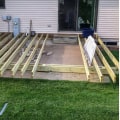
When considering patio installation, one of the most crucial aspects to address is the distance between your patio and the house. This distance not only affects the overall aesthetics of your outdoor space but also plays a significant role in functionality and compliance with local building codes. Understanding the recommended spacing can help you create a seamless transition from indoor to outdoor living, enhancing both comfort and accessibility. Moreover, the right distance can influence various design considerations, such as drainage, landscaping, and even privacy. For instance, if your patio is too close to the house, it may lead to water pooling against the foundation, which can cause structural issues over time.
Conversely, placing it too far away might disrupt the flow of your outdoor area, making it less inviting for gatherings or relaxation. In addition to practical concerns, local regulations often dictate specific requirements regarding patio distance from house. These regulations can vary significantly based on your location, so it's essential to consult with local authorities or a professional contractor before proceeding with your project. By taking these factors into account, you can ensure that your patio not only meets aesthetic desires but also adheres to necessary guidelines, ultimately leading to a successful and enjoyable outdoor space.
Factors Influencing Patio Distance from House
When planning for patio installation, several key factors influence the optimal distance between your patio and the house. Understanding these elements can help you create a functional and aesthetically pleasing outdoor space.- Drainage: Proper drainage is crucial to prevent water pooling around your home’s foundation.
A distance of at least 6 to 10 feet is often recommended to ensure that rainwater flows away from the house. This distance can vary based on your yard's slope and soil type.
- Privacy: Consider how close you want your patio to be to your home and neighboring properties. A greater distance can enhance privacy, allowing for a more secluded outdoor experience. Additionally, landscaping features like trees or shrubs can be strategically placed to create natural barriers.
- Accessibility: The patio should be easily accessible from the house, especially if you plan to use it for entertaining or dining.
A distance of 5 to 10 feet is often ideal, allowing for comfortable movement between indoor and outdoor spaces without feeling cramped.
- Sunlight and Shade: The orientation of your home and the surrounding landscape will affect how much sunlight your patio receives. If you prefer a sun-drenched area, position it closer to the house; for shaded comfort, consider placing it further away, utilizing trees or awnings for coverage.
- Local Regulations: Always check local building codes and zoning regulations, as they may dictate minimum distances for structures from property lines or other buildings. Compliance with these rules is essential for a successful patio installation.
Recommended Distances Based on Patio Type
When planning your patio installation, understanding the recommended distances between your patio and the house is crucial for functionality and aesthetics. Different types of patios have varying requirements based on their materials and intended use.Concrete Patios
For concrete patios, a distance of at least 4 to 6 feet from the house is generally recommended.This space allows for proper drainage and prevents water from pooling against the foundation, which can lead to structural issues over time. Additionally, this distance provides enough room for landscaping or decorative elements that enhance the patio's appeal.
Wood Patios
When it comes to wood patios, a distance of 3 to 5 feet is advisable. This gap helps in maintaining airflow around the wood, reducing moisture retention that can lead to rot. Furthermore, it allows for easy access for maintenance tasks such as cleaning and sealing.Stone Patios
Stone patios, known for their durability and aesthetic charm, should ideally be placed at least 4 feet away from the house.This distance not only facilitates drainage but also provides a buffer zone that can be utilized for planting or decorative features, enhancing the overall landscape design.
Considerations for All Patio Types
- Local Building Codes: Always check local regulations as they may dictate specific distance requirements.
- Intended Use: Consider how you plan to use your patio; entertaining may require more space than a simple seating area.
- Drainage Solutions: Ensure that your patio design includes proper drainage solutions to prevent water damage.
Local Building Codes and Regulations
When planning your patio installation, it is crucial to consider local building codes and regulations. These laws can vary significantly from one municipality to another, and they often dictate the minimum or maximum distance that a patio must be from your home. Ignoring these regulations can lead to costly fines or the need to redo your project entirely.Understanding Local Building Codes
- Local building codes are designed to ensure safety and compliance with community standards.
- They may specify the required distance between your patio and the house, which can affect drainage, accessibility, and fire safety.
- Some areas may have specific requirements for materials used in patio construction, especially if you live in a region prone to wildfires.
Patio Regulations
- Regulations may also cover the size and height of the patio, which can impact how close it can be to property lines.
- In some cases, you may need a permit for your patio installation, especially if it exceeds a certain size or height.
- Check if there are any restrictions on the type of lighting or landscaping you can have around your patio.
Local Zoning Laws
- Zoning laws can further influence where you can place your patio. These laws are designed to maintain the character of neighborhoods and ensure that structures do not infringe on neighboring properties.
- For example, some areas may have setback requirements that dictate how far structures must be from property lines.
- Consulting with your local zoning office can provide clarity on these regulations and help you avoid potential issues.
This diligence will not only ensure compliance but also enhance the longevity and enjoyment of your outdoor space.
Design Considerations for Patio Placement
When planning your patio installation, several design considerations can significantly influence the placement and overall functionality of your outdoor space. Understanding these factors will help you create a harmonious and inviting area that complements your home.Landscaping Around Patios
One of the first aspects to consider is the landscaping surrounding your patio. Incorporating native plants and shrubs can enhance the aesthetic appeal while providing natural shade and privacy. Consider using hardscaping elements, such as stone pathways or decorative borders, to define the patio area and create a seamless transition between your home and garden.Sun Exposure
The amount of sunlight your patio receives throughout the day is crucial for its usability.If you prefer a sun-drenched space for morning coffee, position your patio to face east. Conversely, if you enjoy evening gatherings, a west-facing patio may be ideal. Additionally, consider installing pergolas or awnings to provide shade during peak sun hours, making your outdoor living space more comfortable.
Views and Privacy
Your patio's location should also take into account the views from both inside your home and from the patio itself. Aim to maximize pleasant views while minimizing any unsightly sights, such as garbage bins or neighboring properties.Using privacy screens, trellises with climbing plants, or strategically placed trees can help create a secluded atmosphere. Ultimately, the distance between your patio and house should facilitate easy access while allowing for adequate space for landscaping features. A distance of 6 to 10 feet is often recommended to ensure that you have enough room for planting beds or decorative elements without feeling cramped. By thoughtfully considering these design elements, you can create a well-placed patio that enhances your outdoor living experience and adds value to your home.
Common Mistakes to Avoid When Installing a Patio
When it comes to patio installation, avoiding common mistakes can save you time, money, and frustration. One of the most frequent errors homeowners make is not considering the proper distance between the patio and the house. This distance is crucial for several reasons, including drainage, accessibility, and aesthetics.1.Ignoring Drainage Issues
One of the biggest mistakes is placing the patio too close to the house without accounting for drainage.If your patio is too near, water can pool against your foundation, leading to potential damage. Ensure that your patio slopes away from the house to facilitate proper drainage.
2.Overlooking Local Building Codes
Many homeowners dive into DIY patio installation without checking local building codes. These regulations often specify minimum distances from structures, which are designed to ensure safety and compliance. Always consult your local guidelines before starting your project.3.Failing to Plan for Utilities
Another common error is neglecting existing utilities such as gas lines, water pipes, or electrical wiring.Before you begin digging, locate any underground utilities to avoid costly repairs and safety hazards.
4.Not Considering Future Growth
When planning your patio layout, think about future landscaping or home additions. Placing your patio too close to the house may limit your options for future enhancements or create an unbalanced look in your yard.5.Skipping a Professional Consultation
If you're unsure about the best distance for your patio installation, consider consulting a professional landscaper or contractor. They can provide valuable insights tailored to your specific property and needs.By avoiding these common errors in patio placement, you can create a functional and beautiful outdoor space that enhances your home while ensuring longevity and compliance with local regulations.FAQs About Patio Installation Distances
When considering patio installation, many homeowners have questions about the appropriate distance between their patio and the house. Here are some frequently asked questions that can help clarify these concerns:What is the ideal distance between a patio and the house?
The ideal distance can vary based on several factors, including local building codes, the type of patio, and personal preferences.Generally, a distance of 3 to 5 feet is recommended to allow for proper drainage and maintenance access. This space can also accommodate landscaping features or pathways.
Are there any building codes I should be aware of?
Yes, local building codes often dictate specific requirements for patio installation. These codes may include minimum distance regulations to ensure safety and accessibility. It’s essential to check with your local municipality or a professional contractor to understand these requirements before proceeding with your project.Can I place my patio closer than 3 feet from the house?
While it is technically possible to install a patio closer than 3 feet, doing so may lead to issues such as poor drainage or difficulty in accessing the foundation for repairs.Additionally, if you plan to install any structures like awnings or pergolas, maintaining adequate space is crucial for stability and compliance with regulations.
What factors influence the distance I should maintain?
- Drainage: Proper water runoff is essential to prevent flooding or erosion.
- Access: Ensure there’s enough space for maintenance tasks like cleaning gutters or inspecting the foundation.
- Aesthetics: Consider how the patio will visually integrate with your home and yard.
- Local climate: In areas with heavy rainfall, more distance may be necessary to manage water flow effectively.
Conclusion: Key Takeaways on Patio Installation Distance
In summary, understanding the recommended distance between your patio and house is crucial for a successful patio installation. This distance not only affects the aesthetic appeal of your outdoor space but also plays a significant role in functionality and safety. Here are the key takeaways to consider:- Minimum Distance: A distance of at least 6 to 8 feet is generally recommended to ensure adequate space for movement and landscaping.
- Drainage Considerations: Proper spacing helps prevent water pooling near the foundation of your home, which can lead to structural issues over time.
- Access and Maintenance: Sufficient distance allows for easy access to both the patio and the house, making maintenance tasks simpler and more efficient.
- Aesthetic Balance: The right distance contributes to a visually pleasing transition between indoor and outdoor spaces, enhancing the overall design of your property.