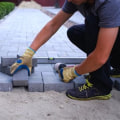
When considering patio installation, it's essential to understand the various types of patios available and the unique benefits each can offer. From classic concrete slabs to elegant stone pavers, the choice of materials and design can significantly influence not only the aesthetic appeal of your outdoor space but also its functionality. A well-planned patio can serve as an extension of your home, providing a perfect venue for entertaining guests, enjoying family gatherings, or simply relaxing in the sun. Different patio types cater to diverse tastes and needs. For instance, a wooden deck may provide a warm, natural look, while a brick patio can add a touch of timeless elegance.
Additionally, modern options like stamped concrete or permeable pavers offer innovative solutions that enhance drainage and reduce environmental impact. Each type comes with its own set of advantages, making it crucial to choose one that aligns with your lifestyle and maintenance preferences. Understanding the benefits of patios goes beyond aesthetics; they can increase your property value, create additional living space, and improve your overall quality of life. However, these advantages come with responsibilities. Proper maintenance is vital to ensure that your patio remains in excellent condition over time.
This introductory section sets the stage for exploring the necessary upkeep required after patio installation, ensuring that your investment continues to provide enjoyment for years to come.
Why Maintenance is Important for Your Patio
Maintaining your patio is crucial for several reasons, primarily its longevity, aesthetics, and safety. Regular upkeep not only enhances the visual appeal of your outdoor space but also ensures that it remains a safe and functional area for gatherings and relaxation.Importance of Patio Maintenance
- Longevity: A well-maintained patio can last for many years, while neglect can lead to costly repairs or even the need for complete replacement. Regular cleaning and sealing can protect against weather damage, stains, and wear.
- Aesthetics: Over time, dirt, mold, and algae can accumulate on your patio surface, making it look uninviting. Routine maintenance, such as pressure washing and resealing, helps preserve its beauty and keeps it looking fresh.
- Safety: Cracks or uneven surfaces can pose tripping hazards.
By addressing these issues promptly through maintenance, you ensure a safe environment for family and guests.
Maintenance Benefits
- Cost-Effective: Investing time in regular maintenance can save you money in the long run by preventing major repairs.
- Increased Property Value: A well-maintained patio adds value to your home, making it more attractive to potential buyers.
- Enhanced Enjoyment: A clean and safe patio encourages more outdoor activities, allowing you to fully enjoy your investment.
Common Maintenance Requirements for Different Patio Materials
Maintaining your patio is essential to ensure its longevity and aesthetic appeal. Different materials require specific care routines to keep them in optimal condition. Here’s a breakdown of maintenance requirements for common patio materials:Concrete Patio Care
Concrete patios are known for their durability, but they still require regular maintenance to prevent cracks and stains.Here are some key tasks:
- Sealing: Apply a concrete sealer every 1-3 years to protect against moisture and stains.
- Cleaning: Sweep regularly and use a pressure washer annually to remove dirt and grime.
- Crack Repair: Fill any cracks with a concrete patching compound as soon as they appear to prevent further damage.
Wood Patio Upkeep
Wood patios, while beautiful, require more attention to maintain their appearance and structural integrity. Consider the following maintenance tips:- Cleaning: Use a mild detergent and water solution to clean the surface, avoiding harsh chemicals that can damage the wood.
- Sealing/Staining: Apply a wood sealant or stain every 1-2 years to protect against moisture and UV damage.
- Inspection: Regularly check for signs of rot or insect damage, replacing any compromised boards promptly.
Stone Patio Maintenance
Stone patios, such as those made from flagstone or pavers, offer a natural look but can be susceptible to weeds and stains. Here’s how to care for them:- Weed Control: Regularly remove weeds by hand or use a weed killer designed for stone surfaces.
- Sealing: Consider sealing the stones every few years to prevent staining and enhance color.
- Cleaning: Use a soft brush and mild soap solution for routine cleaning; avoid acidic cleaners that can etch the stone.
Seasonal Maintenance Checklist for Patios
Maintaining your patio throughout the year is essential to ensure its longevity and aesthetic appeal. Here’s a seasonal checklist to help you stay organized and proactive in your patio installation maintenance efforts.Spring Maintenance
- Inspect for Damage: After winter, check for any cracks or damage in the patio surface.
Repair any issues promptly to prevent further deterioration.
- Clean Thoroughly: Remove debris, leaves, and dirt that have accumulated over the winter months. A pressure washer can be effective for deep cleaning.
- Weed Control: Spring is the perfect time to tackle weeds. Use a weed killer or manually remove them to keep your patio looking pristine.
- Sealant Application: If your patio requires sealing, spring is an ideal time to apply a fresh coat, protecting it from moisture and stains.
Summer Maintenance
- Regular Cleaning: Keep your patio clean by sweeping regularly and washing it down with soap and water as needed.
- Furniture Care: If you have outdoor furniture, ensure it is clean and in good condition. Consider applying a protective coating to prevent fading from the sun.
- Pest Control: Monitor for pests such as ants or wasps that may invade your outdoor space.
Take necessary measures to eliminate them.
Fall Maintenance
- Leaf Removal: Regularly remove fallen leaves to prevent mold growth and staining on your patio surface.
- Prepare for Winter: Store away any furniture or cushions that could be damaged by winter weather. Clean and cover any remaining items.
Winter Preparation
- Snow Removal: If you live in an area with snow, promptly remove it from your patio to prevent ice formation and surface damage.
- Avoid De-icing Chemicals: Use sand or kitty litter instead of salt-based de-icers, which can harm your patio surface.
- Inspect Drainage: Ensure that drainage systems are clear of debris to prevent water accumulation during thawing periods.
DIY vs. Professional Patio Maintenance: What You Need to Know
When it comes to maintaining your patio, you have two primary options: DIY maintenance or hiring professional services. Each approach has its own set of advantages and disadvantages that can influence your decision based on your skills, budget, and the specific needs of your patio.DIY Patio Maintenance
Taking the DIY route can be a rewarding experience, allowing you to save money and gain hands-on knowledge about your patio.Here are some key points to consider:
- Cost-Effective: Performing maintenance tasks yourself can significantly reduce costs associated with hiring professionals.
- Flexibility: You can schedule maintenance at your convenience without waiting for a professional's availability.
- Skill Development: Engaging in DIY projects can enhance your home improvement skills, making you more self-sufficient.
- Time-Consuming: Maintenance tasks can take longer than expected, especially if you're unfamiliar with the process.
- Lack of Expertise: Without proper knowledge, you may inadvertently cause damage or overlook essential maintenance tasks.
Professional Services for Patios
If you prefer a hassle-free approach, hiring professionals for patio maintenance might be the best option. Here are some benefits:- Expertise: Professionals have the experience and knowledge to handle various maintenance tasks efficiently and effectively.
- Quality Assurance: Hiring experts often guarantees a higher quality of work, ensuring that your patio remains in excellent condition.
- Time-Saving: Professionals can complete tasks more quickly than most homeowners, freeing up your time for other activities.
- Cost: Hiring professionals can be expensive, depending on the scope of work required.
- Lack of Control: You may have less control over the timing and methods used for maintenance.
Frequently Asked Questions About Patio Maintenance
Maintaining your patio is essential for ensuring its longevity and aesthetic appeal. Here are some frequently asked questions regarding patio maintenance:- How often should I clean my patio? Regular cleaning is recommended at least once a season.
However, if you notice dirt, mold, or stains, it’s best to clean it immediately to prevent long-term damage.
- What is the best way to clean a patio? For most materials, a mixture of warm water and mild detergent works well. Use a stiff brush for scrubbing, and rinse thoroughly with a hose. For tougher stains, consider using a pressure washer, but be cautious with the settings to avoid damaging the surface.
- Do I need to seal my patio? Yes, sealing your patio can protect it from moisture and stains. Depending on the material, sealing may be required every 1-3 years.
Always check the manufacturer's recommendations for specific sealing products.
- How can I prevent weeds from growing in my patio? Regularly inspect your patio for cracks and crevices where weeds can take root. Applying a weed barrier fabric before installation and using sand or polymeric sand in joints can help minimize weed growth.
- What should I do if my patio has cracks? Small cracks can often be filled with a concrete patch or sealant. For larger cracks or structural issues, it’s advisable to consult a professional to assess the situation and recommend repairs.
Conclusion: Keeping Your Patio in Top Shape
In conclusion, maintaining your patio is essential to ensure its longevity and aesthetic appeal.Regular upkeep not only enhances the overall look of your outdoor space but also prevents costly repairs down the line. Here are some key takeaways to keep your patio in top shape:
- Regular Cleaning: Sweep away debris and dirt regularly to prevent stains and mold growth. A pressure wash every few months can help maintain its pristine condition.
- Sealant Application: Depending on the material of your patio, applying a sealant can protect it from weather elements and stains. This is particularly important for stone and concrete patios.
- Weed Control: Keep an eye out for weeds that may sprout between pavers or stones.
Regularly removing them will not only keep your patio looking neat but also prevent damage to the structure.
- Inspect for Damage: Periodically check for cracks, loose stones, or other signs of wear. Addressing these issues promptly can save you from more extensive repairs later.
- Furniture Care: If you have outdoor furniture on your patio, ensure it is weather-resistant and clean it regularly to avoid rust or decay.