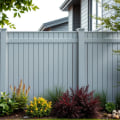
When considering patio installation, the first step is to understand your unique patio design needs. A patio can serve multiple purposes, from a serene retreat for relaxation to a vibrant space for entertaining guests. Identifying the primary function of your patio will significantly influence your design choices, ensuring that the space not only looks appealing but also meets your lifestyle requirements. For instance, if you envision hosting summer barbecues or outdoor dinner parties, your patio should be designed with ample seating and dining areas. In contrast, if your goal is to create a peaceful outdoor living space for reading or meditation, you might prioritize comfortable lounge furniture and privacy features like landscaping or screens.
Understanding these specific needs will guide you in selecting materials, layouts, and additional features that enhance functionality. Moreover, consider how you plan to use the patio throughout different seasons. Will it be a year-round space or primarily for warmer months? This consideration can affect everything from the choice of materials—such as opting for weather-resistant options—to the inclusion of elements like fire pits or heaters. By clearly defining the purpose of your patio, you can create a cohesive design that not only fulfills your immediate needs but also adds long-term value to your home.
Exploring Different Patio Styles
When considering patio installation, it's essential to explore various patio styles that can complement your home and lifestyle. Each style offers unique characteristics that can enhance your outdoor space.Modern Patio Design
A modern patio design typically features clean lines, minimalistic furniture, and a focus on functionality.This style often incorporates materials like concrete, metal, and glass, creating a sleek and contemporary look. To achieve a modern aesthetic, consider:
- Neutral color palettes with pops of color through accessories.
- Modular furniture that can be rearranged for different occasions.
- Integrated lighting to enhance the ambiance during evening gatherings.
Traditional Patio Ideas
If you prefer a more classic approach, traditional patios often feature brick or stone pavers, wooden pergolas, and wrought iron furniture. This style evokes a sense of timelessness and warmth. Key elements to consider include:- Symmetrical layouts that create balance and harmony.
- Natural stone pathways leading to focal points like fire pits or gardens.
- Cozy seating areas with comfortable cushions and throw pillows.
Rustic Patio Options
A rustic patio embraces natural materials and earthy tones, making it perfect for those who love a more organic feel.This style often incorporates reclaimed wood, stone features, and lush greenery. To create a rustic patio, consider:
- Wooden furniture with a weathered finish for an authentic look.
- Natural landscaping, including wildflowers and native plants.
- Fire pits or outdoor kitchens made from stone to enhance the rustic charm.
Materials for Patio Installation
Choosing the right materials for patio installation is crucial for both aesthetics and functionality. Here, we explore some of the most popular options, weighing their pros and cons to help you make an informed decision.1.Concrete
Concrete is one of the most common materials used for patios due to its durability and versatility.It can be poured into various shapes and can be stained or stamped to mimic other materials.
- Pros: Highly durable, low maintenance, and available in various designs.
- Cons: Can crack over time and may require sealing to prevent stains.
2.Pavers
Pavers are individual stones or bricks that can be arranged in various patterns. They offer a classic look and are available in numerous colors and textures.- Pros: Easy to replace if damaged, excellent drainage, and customizable designs.
- Cons: Installation can be labor-intensive, and weeds may grow between pavers if not properly maintained.
3.Natural Stone
Natural stone, such as slate or flagstone, provides a unique and elegant appearance. Each stone has its own character, making your patio one-of-a-kind.- Pros: Extremely durable and visually appealing.
- Cons: Higher cost and can be slippery when wet.
4.Wood
Wooden patios offer a warm, inviting feel. Pressure-treated lumber or composite materials are popular choices for their resistance to rot and insects.- Pros: Aesthetic appeal and comfortable underfoot.
- Cons: Requires regular maintenance, such as sealing or staining, to prolong its lifespan.
5.Composite Materials
Composite decking combines wood fibers with plastic to create a material that mimics wood but requires less maintenance.- Pros: Resistant to fading, splintering, and insects; low maintenance.
- Cons: Can be more expensive than traditional wood options.
Consider these factors carefully to ensure your patio installation meets your needs for years to come.
Budgeting for Your Patio Project
When planning your patio installation, budgeting is a crucial step that can significantly impact the overall success of your project. Understanding the costs involved and how to manage them effectively will help you create a beautiful outdoor space without breaking the bank.Estimating Your Costs
- Materials: The choice of materials can greatly affect your budget. Options like concrete, pavers, and natural stone vary in price. For instance, while concrete is often the most affordable option, natural stone can provide a high-end look at a higher cost.
- Labor: If you’re hiring professionals for your patio installation, labor costs can account for a significant portion of your budget.
Always get multiple quotes and check references to ensure you’re getting a fair price.
- Design Complexity: Simple designs are generally more cost-effective than intricate layouts. Consider how much time and effort will be required to execute your vision.
Cost-Saving Measures
- DIY Installation: If you have the skills and time, consider tackling the installation yourself. This can save you a substantial amount on labor costs.
- Affordable Designs: Look for affordable patio designs that still meet your aesthetic needs. For example, using gravel or decomposed granite can create a stylish yet budget-friendly patio.
- Seasonal Sales: Keep an eye out for seasonal sales at home improvement stores.
Purchasing materials during off-peak times can lead to significant savings.
What to Expect Financially
The average cost of patio installation can range widely based on size, materials, and design complexity. On average, homeowners might spend between $1,500 to $5,000 for a standard patio. However, with careful planning and budgeting, it’s possible to achieve your desired look within your financial means.By understanding the various factors that influence patio installation costs, you can make informed decisions that align with your budget while still creating an inviting outdoor space that enhances your home’s value.
Incorporating Landscaping into Your Patio Design
When planning your patio installation, incorporating landscaping can significantly enhance the overall aesthetic and functionality of your outdoor space. A well-designed patio should harmonize with its surrounding environment, creating a seamless transition between hardscapes and softscapes.Landscaping Ideas for Patios
- Flower Beds: Surround your patio with vibrant flower beds that add color and texture.
Choose perennials for low maintenance or annuals for seasonal variety.
- Vertical Gardens: If space is limited, consider vertical gardens or trellises adorned with climbing plants. This not only saves space but also adds depth to your patio design.
- Pathways: Create pathways leading to your patio using stones or pavers. This guides guests and enhances the visual appeal of your landscape.
Integrating Gardens with Patios
To create a cohesive look, think about how your garden elements can complement your patio. For instance, using similar materials for both the patio and garden borders can unify the design.
Additionally, consider the scale of plants; larger plants can provide privacy and shade, while smaller ones can keep the area feeling open.
Outdoor Aesthetics
The aesthetics of your outdoor space are crucial. Incorporate decorative elements such as outdoor lighting, sculptures, or water features to enhance the ambiance. These features not only beautify but also create a welcoming atmosphere for gatherings.
Plants for Patios
Selecting the right plants is essential for a successful patio landscape. Opt for drought-resistant plants if you live in a dry climate, or choose native species that thrive in your area.
Consider using container gardens to add flexibility; they allow you to rearrange plants as needed and can be moved to suit seasonal changes.By thoughtfully integrating landscaping into your patio design, you can create an inviting outdoor space that reflects your personal style while enhancing the overall functionality of your home.
Patio Installation Process: What to Expect
When planning your patio installation, understanding the process is crucial to achieving the outdoor space of your dreams. Here’s a breakdown of the typical steps involved in installing a patio, whether you choose to hire a contractor or tackle the project yourself.Steps to Install a Patio
- Planning and Design: Start by determining the size, shape, and materials for your patio. Consider how you will use the space and what style complements your home.
- Permits and Regulations: Check local building codes and obtain any necessary permits. This step is essential to avoid fines and ensure compliance with safety standards.
- Site Preparation: Clear the area of any debris, grass, or existing structures.
Level the ground and mark the outline of your patio using stakes and string.
- Base Installation: Lay down a base of gravel or sand to provide drainage and stability. Compact it thoroughly to create a solid foundation for your patio materials.
- Material Installation: Begin laying your chosen materials, whether pavers, bricks, or concrete slabs. Follow a pattern that suits your design while ensuring even spacing between pieces.
- Finishing Touches: Fill in gaps with sand or polymeric jointing material, and consider adding edging to keep your patio materials in place. Finally, clean the surface to remove any excess material.
Hiring a Contractor vs.
DIYIf you’re considering hiring a contractor for your patio installation, look for professionals with good reviews and experience in similar projects. They can handle all aspects of the installation process, ensuring quality workmanship and adherence to local regulations.On the other hand, if you opt for a DIY approach, be prepared for some physical labor and time commitment. Gather all necessary tools and materials beforehand, and don’t hesitate to seek advice from online resources or local hardware stores. DIY can be rewarding but requires careful planning and execution.No matter which route you choose, understanding these steps will help you navigate the patio installation process more effectively, leading to a beautiful outdoor space that enhances your home.
Maintenance Tips for Your New Patio
Once your patio installation is complete, maintaining its appearance and functionality is crucial for longevity.Here are some essential patio maintenance tips to keep your outdoor space looking its best.
- Regular Cleaning: Sweep your patio regularly to remove dirt, leaves, and debris. For deeper cleaning, use a pressure washer or a hose with a scrub brush to eliminate stains and grime.
- Sealant Application: Depending on the material of your patio, applying a sealant can protect it from moisture and stains. For instance, stone and concrete patios benefit from sealants that prevent water absorption.
- Weed Control: Weeds can grow in the cracks of your patio. Regularly inspect the joints and use a weed killer or pull them out by hand to prevent them from spreading.
- Stain Removal: For stubborn stains, such as oil or food spills, act quickly.
Use a mixture of warm water and mild detergent or a specialized cleaner suitable for your patio material.
- Seasonal Maintenance: Prepare your patio for seasonal changes. In fall, clear leaves to prevent mold growth; in winter, consider using a snow shovel instead of salt to avoid damage.
Frequently Asked Questions About Patio Design and Installation
When considering patio installation, many homeowners have questions that can significantly impact their design choices.Here are some frequently asked questions to guide you through the process:
- What materials are best for patio design? The choice of materials depends on your budget, style preferences, and climate. Common options include concrete, pavers, natural stone, and wood. Each material has its own benefits; for instance, pavers offer versatility in design, while concrete is durable and low-maintenance.
- How do I determine the right size for my patio? The size of your patio should complement your home and yard. Consider how you plan to use the space—whether for entertaining, dining, or relaxation.
A good rule of thumb is to allocate at least 25 square feet per person for dining areas.
- What design features should I consider? Incorporating features like built-in seating, fire pits, or outdoor kitchens can enhance your patio's functionality. Additionally, think about landscaping elements such as plants and lighting to create a cohesive look.
- How do I ensure proper drainage during installation? Proper drainage is crucial to prevent water pooling on your patio. Ensure that the patio slopes away from your home and consider installing drainage systems if necessary.
- Can I install a patio myself? While DIY installation is possible, it requires careful planning and physical labor. If you're not confident in your skills or lack the necessary tools, hiring a professional may be a better option.
For more personalized advice, consulting with a landscaping expert can provide tailored solutions based on your specific needs.