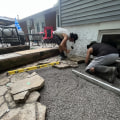
When it comes to patio installation, the foundation of a successful project lies in thorough yard preparation. Many homeowners underestimate the significance of this initial step, often leading to complications down the line. Properly preparing your yard not only ensures a smooth installation process but also enhances the longevity and aesthetic appeal of your new patio. Before laying down any materials, it’s crucial to assess your yard's current condition. This includes evaluating the soil type, drainage patterns, and existing vegetation.
A well-prepared yard can prevent issues such as uneven surfaces, water pooling, and even structural damage to your patio. By taking the time to prepare your yard adequately, you set the stage for a durable and visually pleasing outdoor space. Moreover, understanding the importance of preparation allows you to make informed decisions about design and materials. Whether you envision a cozy stone patio or a sleek concrete surface, knowing how to prepare your yard will help you choose the right options that align with your landscape. In the following sections, we will delve into specific steps and tips for effective yard preparation, ensuring that your patio installation is not just a dream but a reality.
Assessing Your Yard's Current Condition
Before embarking on your patio installation, it’s essential to conduct a thorough evaluation of your yard's current condition.This assessment will help you identify any potential challenges and ensure a successful installation process.
1.Soil Quality
- Check the soil type in your yard. Sandy soils drain quickly but may not hold nutrients well, while clay soils retain moisture but can become compacted.
- Perform a simple soil test to determine pH levels and nutrient content. This information will guide you in selecting appropriate plants and materials for your patio.
2.Drainage Issues
- Observe how water drains in your yard after heavy rain. Look for areas where water pools, as these spots can lead to problems during and after patio installation.
- If you notice poor drainage, consider implementing solutions such as grading the land or installing drainage systems to redirect water away from the patio area.
3.Existing Landscaping
- Take note of any existing trees, shrubs, or flower beds that may impact your patio design.
You may need to remove or relocate some plants to create a suitable space for your new patio.
- Evaluate the overall aesthetic of your yard. Consider how the new patio will complement or contrast with existing landscaping features.
Choosing the Right Location for Your Patio
When it comes to patio installation, choosing the right location is crucial for maximizing both functionality and enjoyment. Here are some key factors to consider:- Sunlight Exposure: Observe how sunlight moves across your yard throughout the day.
If you prefer a sun-drenched space for morning coffee or afternoon gatherings, position your patio where it will receive ample sunlight. Conversely, if you seek shade during the hottest parts of the day, consider placing your patio near trees or structures that can provide natural cover.
- Accessibility: Ensure that your patio is easily accessible from your home and other outdoor areas. A well-placed patio should connect seamlessly with pathways leading to your garden, pool, or outdoor kitchen. This not only enhances convenience but also encourages more frequent use.
- Aesthetics: Think about how the patio will fit into the overall design of your yard.
Choose a location that complements existing landscaping features, such as flower beds or water elements. A visually appealing patio can serve as a focal point in your outdoor space.
- Privacy: Consider the level of privacy you desire. If you live in a densely populated area, you might want to position your patio away from neighbors' views or use landscaping elements like hedges or trellises to create a more secluded atmosphere.
Clearing and Preparing the Site
Preparing your yard for patio installation is a crucial step that sets the foundation for a successful project. Proper site clearing and preparation ensure that your patio will be stable, level, and long-lasting.Here are the essential steps to follow:
- Assess the Area: Begin by evaluating the space where you plan to install your patio. Look for any slopes or drainage issues that may affect the installation.
- Remove Existing Vegetation: Clear the area of any grass, weeds, or plants. Use a shovel or a sod cutter to remove grass and roots effectively. This step is vital as it prevents future growth that could disrupt your patio.
- Clear Debris: Remove any rocks, sticks, or debris from the site.
A clean area will help in achieving a level surface for your patio.
- Excavate the Ground: Depending on the type of patio you are installing, you may need to excavate the ground to a depth of 4 to 6 inches. This depth allows for a proper base layer of gravel or sand.
- Level the Ground: After excavation, use a rake to level the ground. A level surface is essential for preventing water pooling and ensuring even placement of patio materials.
- Add a Base Layer: For most patios, adding a base layer of crushed stone or gravel is recommended. This layer provides drainage and stability.
Spread it evenly and compact it using a plate compactor.
Ensuring Proper Drainage Solutions
When planning for patio installation, one of the most critical aspects to consider is drainage. Proper drainage solutions are essential to prevent water pooling, which can lead to structural damage and a shorter lifespan for your patio. Without adequate drainage, rainwater can accumulate, creating unsightly puddles and potentially damaging the foundation of your patio.To ensure effective drainage, start by assessing the natural slope of your yard.Ideally, your patio should be installed with a slight slope away from your home to direct water flow. A slope of about 1-2% is generally recommended. This means for every 100 feet of patio, the surface should drop about 1-2 feet away from the house.
Drainage Solutions for Patios
- French Drains: These are trenches filled with gravel and a perforated pipe that redirects water away from your patio area. They are particularly effective in areas with heavy rainfall.
- Channel Drains: Installed at the edges of your patio, these drains collect water and direct it away from the surface.
They are ideal for preventing water from pooling around the edges.
- Permeable Pavers: Using permeable materials allows water to seep through the surface and into the ground below, reducing runoff and pooling.
- Swales: These are shallow ditches designed to manage water runoff. They can be integrated into your landscape design to guide water away from your patio.
By prioritizing drainage planning, you can protect your investment in patio installation and enjoy a functional outdoor space for years to come.
Selecting Materials for Your Patio Installation
When it comes to patio installation, selecting the right materials is crucial for achieving a durable and aesthetically pleasing outdoor space. The choice of materials can significantly impact the longevity, maintenance requirements, and overall look of your patio.Popular Patio Materials
- Concrete: A versatile and cost-effective option, concrete can be poured into various shapes and sizes. It is durable and requires minimal maintenance, but it can crack over time if not properly installed.
- Pavers: Available in a variety of colors, shapes, and sizes, pavers are made from concrete, brick, or natural stone. They offer excellent drainage and can be easily replaced if damaged.
However, they may require more maintenance to keep weeds at bay.
- Natural Stone: Options like flagstone, slate, or granite provide a unique and elegant look. While they are incredibly durable, natural stone can be more expensive and may require sealing to prevent staining.
- Wood Decking: For a warm and inviting feel, wood decking is an option that blends well with nature. However, it requires regular maintenance to prevent rot and weathering.
Choosing the Right Material
When deciding on the best materials for your patio, consider the following factors:- Climate: Some materials perform better in certain climates. For instance, concrete may be prone to cracking in freeze-thaw cycles.
- Aesthetics: Think about how the material will complement your home’s architecture and landscape design.
- Budget: Determine how much you are willing to spend on materials and installation.
Natural stone tends to be pricier than concrete or pavers.
- Maintenance: Consider how much time you are willing to invest in upkeep. Some materials require more frequent care than others.
Planning Your Patio Design and Layout
When it comes to patio installation, the first step is to carefully plan your patio design and layout. A well-designed patio not only enhances the aesthetic appeal of your yard but also maximizes its functionality.Here are some key considerations to keep in mind:
- Determine the Size: Assess the available space in your yard. Consider how much room you want for furniture, pathways, and landscaping. A common guideline is to allow at least 12 feet of space for dining areas and 8 feet for lounging areas.
- Choose the Shape: The shape of your patio can significantly impact its usability. Rectangular and square patios are popular for their straightforward layout, while circular or freeform designs can create a more organic feel.
Think about how the shape will complement your home and garden.
- Functionality: Consider how you plan to use your patio. Will it be a space for entertaining guests, a quiet retreat, or a family gathering spot? This will influence your design choices, such as seating arrangements and proximity to outdoor cooking areas.
- Flow and Accessibility: Ensure that your patio design allows for easy movement between different areas of your yard. Pathways should connect seamlessly to the patio, making it accessible from various points in your garden.
Don’t forget to consider the surrounding landscape; incorporating plants, lighting, and decorative elements can enhance the overall look of your patio.Incorporating these elements into your patio installation plan will ensure that you create a space that is not only beautiful but also practical for your lifestyle.
Gathering Necessary Tools and Equipment
Preparing your yard for patio installation requires a variety of tools and equipment to ensure the process goes smoothly. Having the right tools not only enhances efficiency but also contributes to the overall quality of your patio. Below is a comprehensive list of essential tools and equipment you will need.- Shovel: A sturdy shovel is crucial for digging and moving soil. Opt for a spade shovel for precise digging and a round-point shovel for general earth moving.
- Rake: Use a rake to level the ground and remove debris.
A landscape rake is particularly useful for spreading gravel or sand.
- Level: A level ensures that your patio surface is even. A long level is ideal for larger areas, while a smaller one can help with detailed work.
- Tape Measure: Accurate measurements are vital in patio installation. A tape measure will help you determine the dimensions of your patio space.
- Compactor: A plate compactor or hand tamper is essential for compacting the base material, ensuring stability and preventing future settling.
- Wheelbarrow: This tool is invaluable for transporting materials like gravel, sand, or pavers around your yard.
- Gloves: Protect your hands with durable work gloves, which will help prevent blisters and injuries during installation.
- Safety Gear: Don’t forget safety glasses and ear protection, especially when using power tools or heavy equipment.
- Paver Saw: If you’re using pavers, a paver saw will allow you to make precise cuts for a perfect fit.
- Concrete Mixer: For concrete patios, a mixer can save time and ensure consistency in your mix.
Common Mistakes to Avoid During Preparation
Preparing your yard for patio installation can be a rewarding project, but many homeowners make common mistakes that can lead to costly setbacks.Here are some frequent errors to avoid:
- Neglecting Proper Measurements: One of the most critical steps is to accurately measure the area where the patio will be installed. Failing to do so can result in a patio that is too small or too large for your space, leading to aesthetic and functional issues.
- Ignoring Drainage Issues: Proper drainage is essential for any patio. Many homeowners overlook the slope of their yard, which can cause water to pool on the patio surface. Ensure that your yard has a slight slope away from the house to facilitate proper drainage.
- Overlooking Soil Quality: The type of soil in your yard can significantly impact the stability of your patio.
Poor soil quality can lead to settling and cracking over time. Conduct a soil test and amend it as necessary before installation.
- Skipping the Excavation Step: Some homeowners may think they can lay a patio directly on top of grass or weeds. This is a mistake! Proper excavation is crucial to remove any organic material and create a stable base for your patio.
- Not Considering Local Climate: Your local climate can affect the materials you choose for your patio. For instance, certain stones may not withstand freeze-thaw cycles well.
Research materials that are suitable for your area's weather conditions.
Conclusion: Key Takeaways for Successful Patio Installation Preparation
Preparing your yard for patio installation is a crucial step that can significantly impact the success and longevity of your outdoor space. By following the right procedures, you can ensure that your patio not only looks great but also stands the test of time.Here are the key takeaways to remember:- Assess Your Space: Before you begin, take the time to evaluate your yard. Consider factors such as sunlight, drainage, and existing landscaping.
This assessment will help you determine the best location and design for your patio.
- Choose Quality Materials: The materials you select for your patio will affect its durability and aesthetic appeal. Opt for high-quality stones, pavers, or concrete that can withstand weather conditions in your area.
- Plan for Drainage: Proper drainage is essential to prevent water pooling on your patio. Ensure that the ground slopes away from your home and consider installing drainage systems if necessary.
- Clear the Area: Remove any debris, plants, or structures in the installation area. This will provide a clean slate for your patio and help avoid complications during installation.
- Level the Ground: A level surface is vital for a stable patio.
Use tools like a level and a tamper to prepare the ground adequately before laying any materials.
- Consider Professional Help: If you're unsure about any aspect of the preparation process, don’t hesitate to consult with professionals. Their expertise can save you time and ensure a successful installation.