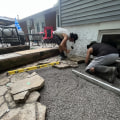
When considering patio installation, it is crucial to understand the various building codes and regulations that govern such projects. These codes are designed to ensure safety, structural integrity, and compliance with local zoning laws. Ignoring these regulations can lead to costly fines, project delays, or even the need to dismantle an improperly constructed patio. Therefore, familiarizing yourself with the specific requirements in your area is not just advisable; it is essential. Each municipality may have its own set of patio installation regulations, which can vary significantly based on factors such as location, size, and materials used.
For instance, some areas may require permits for any patio that exceeds a certain square footage or is built with specific materials. Additionally, local building codes often dictate how close a patio can be to property lines or existing structures, which can impact your design choices. Understanding these patio installation requirements not only helps you avoid legal complications but also enhances the overall quality and longevity of your outdoor space. By adhering to local regulations, you ensure that your patio is safe for use and meets community standards. As we delve deeper into this topic, we will explore the specific codes and requirements that homeowners should consider before embarking on their patio projects.
Understanding Building Codes
Building codes are a set of regulations established by local, state, and federal authorities to ensure the safety, health, and general welfare of the public in the construction and occupancy of buildings and structures.These codes cover various aspects of construction, including structural integrity, fire safety, accessibility, and energy efficiency.The primary purpose of building codes is to protect the safety of individuals who use or occupy a structure. For instance, when it comes to patio installation, adhering to these codes ensures that the patio is built to withstand environmental factors such as wind and rain, preventing potential hazards like collapses or water damage.
Importance of Building Codes
- Safety: Building codes are designed to minimize risks associated with construction. They provide guidelines that help builders create safe environments for occupants.
- Quality Assurance: Compliance with building codes ensures that materials and construction methods meet established standards, leading to higher quality structures.
- Legal Compliance: Failing to adhere to building codes can result in legal repercussions, including fines or the need for costly modifications after installation.
- Insurance Benefits: Many insurance companies require compliance with local building codes before issuing policies. This can affect coverage options and premiums.
Not only do they safeguard the well-being of users, but they also ensure that the project is completed efficiently and legally. Before starting your patio project, it’s essential to consult local regulations to ensure compliance and avoid future complications.
Local Regulations for Patio Installation
When planning a patio installation, it is crucial to understand that local regulations can significantly impact your project. These regulations can vary widely not only from state to state but also from city to city. Therefore, before you begin any construction, it is essential to check the specific codes that apply to your area.City Codes for Patios
- Permits: Many municipalities require a permit for patio installation, especially if the structure is attached to your home or exceeds a certain size.
Failing to obtain the necessary permits can result in fines or the need to dismantle your patio.
- Setback Requirements: Local building codes often dictate how far your patio must be set back from property lines or other structures. This is to ensure safety and maintain neighborhood aesthetics.
- Materials and Design: Some areas have restrictions on the types of materials you can use for your patio. For example, certain regions may prohibit the use of specific stones or require that the design complements the surrounding architecture.
Regional Building Codes
In addition to city-specific regulations, regional building codes may also apply. These codes are often influenced by environmental factors such as climate and soil conditions.
For instance, areas prone to heavy rainfall may have stricter drainage requirements for patios to prevent flooding.To ensure compliance with all relevant regulations, it is advisable to:
- Contact your local building department for detailed information on permits and codes.
- Consult with a professional contractor who is familiar with local regulations.
- Review any homeowners' association (HOA) guidelines if applicable, as they may impose additional restrictions.
Common Building Codes Relevant to Patios
When considering patio installation, it is crucial to be aware of the various building codes and regulations that govern such projects. These codes are designed to ensure safety, structural integrity, and compliance with local laws. Below are some of the most common building codes relevant to patios:- Structural Requirements: Most jurisdictions require that patios be built to withstand specific loads, including the weight of furniture, people, and environmental factors like snow or rain. This often involves using materials that meet local standards for durability.
- Footing and Foundation Codes: Patios typically need a solid foundation.
Building codes may specify the depth and width of footings based on soil type and climate conditions. Proper drainage is also essential to prevent water accumulation.
- Material Standards: The materials used in patio construction must comply with local regulations. For instance, concrete must meet certain compressive strength requirements, while wood may need to be treated for weather resistance.
- Safety Codes: Safety is paramount in patio design. This includes regulations regarding railings for elevated patios, slip-resistant surfaces, and proper lighting to prevent accidents during nighttime use.
- Zoning Regulations: Before starting a patio installation, it’s important to check local zoning laws.
These regulations can dictate where patios can be placed on a property, how close they can be to property lines, and whether permits are required.
Permits Required for Patio Installation
When considering patio installation, one of the first questions homeowners often ask is, "Do I need a permit for a patio?" The answer can vary significantly based on your location, the size of the patio, and the materials used. In many jurisdictions, a permit is required for any permanent structure that alters the landscape or affects drainage.Typically, permits are necessary for:- Patios that are built with concrete or stone.
- Patios that exceed a certain square footage, often around 200 square feet.
- Patios that include electrical or plumbing work.
How to Get a Patio Permit
If you find that a permit is required, the process to obtain one generally involves several steps:- Research Local Regulations: Start by visiting your local government’s website or office to understand the specific requirements for patio permits in your area.
- Prepare Your Plans: You may need to submit detailed plans of your proposed patio, including dimensions and materials.
Some areas may require a site plan showing how the patio will fit into your yard.
- Submit Your Application: Fill out the necessary application forms and pay any associated fees. This can often be done online or in person.
- Wait for Approval: After submission, there may be a waiting period during which your application is reviewed. Be prepared for possible inspections or additional requests for information.
Always prioritize compliance with local building codes to ensure safety and legality in your outdoor space.
Design Considerations and Compliance
When planning a patio installation, it is crucial to consider local building codes and regulations to ensure your design is compliant. These codes can vary significantly depending on your location, so it’s essential to research the specific requirements in your area.Key Design Considerations for Patios:
- Size and Location: Many municipalities have restrictions on the size of patios and their proximity to property lines. Check local zoning laws to determine the maximum allowable dimensions and required setbacks.
- Materials: The materials used in your patio must comply with safety standards. For instance, some areas may have regulations regarding the use of certain types of concrete or pavers that are slip-resistant.
- Drainage: Proper drainage is vital to prevent water accumulation, which can lead to structural damage.
Ensure your design includes adequate drainage solutions that meet local guidelines.
- Accessibility: If your patio will be used by individuals with disabilities, it must comply with accessibility standards, such as those outlined in the Americans with Disabilities Act (ADA).
Ensuring Compliance:
To ensure your patio design meets all necessary requirements, consider the following steps:
- Consult Local Authorities: Before starting your project, contact your local building department to obtain information on specific codes and regulations that apply to patio installations.
- Hire a Professional: Engaging a licensed contractor or architect familiar with local codes can help streamline the process and ensure compliance from the outset.
- Obtain Permits: Depending on the scope of your project, you may need to apply for permits. Failing to do so can result in fines or the need to dismantle non-compliant structures.
Frequently Asked Questions about Patio Installation Regulations
When considering patio installation, homeowners often have questions regarding the necessary regulations and permits. Understanding these requirements is crucial to ensure a smooth installation process and to avoid potential fines or complications.- Do I need a permit for patio installation?
In many jurisdictions, a permit is required for patio installation, especially if the structure is attached to your home or exceeds a certain size. It’s essential to check with your local building department to determine the specific requirements in your area. - What are the common building codes for patios?
Building codes can vary significantly by location, but common regulations may include guidelines on materials, structural integrity, drainage, and setbacks from property lines.For instance, some areas may require that patios be constructed with specific materials that can withstand local weather conditions.
- Are there restrictions on patio height?
Yes, many municipalities have restrictions on the height of patios, particularly if they are elevated. These regulations are often in place to prevent issues such as obstructing views or causing drainage problems for neighboring properties. - What should I do if my patio installation doesn’t comply with local codes?
If you find that your patio does not comply with local regulations, it’s important to address the issue promptly. This may involve obtaining a retroactive permit or making modifications to bring the structure into compliance. Consulting with a professional contractor or local building authority can provide guidance on the best course of action.
Conclusion: Key Takeaways on Patio Installation Codes and Regulations
In summary, understanding the building codes and regulations surrounding patio installation is crucial for any homeowner or contractor looking to enhance outdoor spaces.These codes are designed to ensure safety, accessibility, and compliance with local standards, which can vary significantly from one jurisdiction to another.
Key Takeaways:
- Permits: Always check if a permit is required before starting your patio project. This can prevent costly fines and ensure that your installation meets local regulations.
- Building Codes: Familiarize yourself with the specific building codes in your area. These may dictate materials, structural integrity, and design aspects of your patio.
- Zoning Laws: Be aware of zoning laws that may affect where you can place your patio. Setback requirements can limit how close you can build to property lines.
- Homeowners Association (HOA) Rules: If you live in a community governed by an HOA, review their guidelines as they may have additional restrictions or requirements for patio installations.
- Safety Standards: Ensure that your patio complies with safety standards, especially if it includes features like railings or steps.
Consulting with local authorities or a professional contractor can provide further clarity on the specific requirements for your patio installation project.